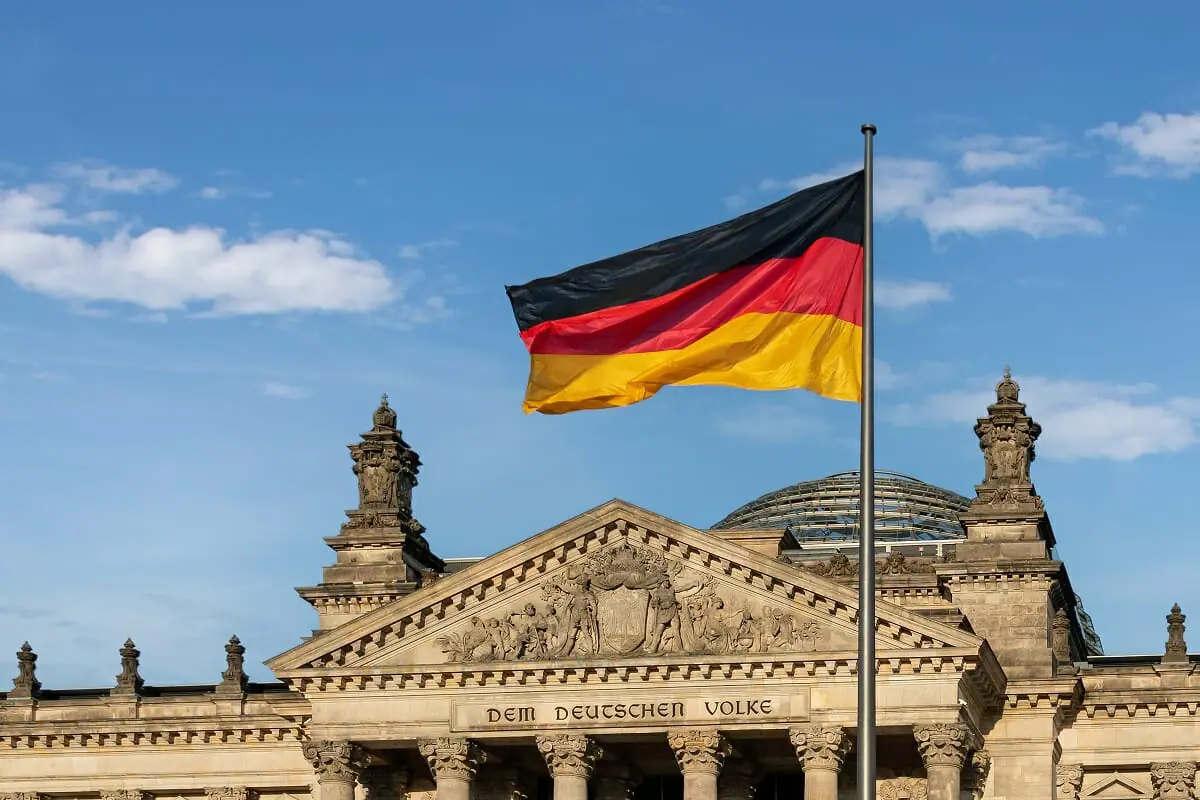
On April 16, 2026, Germany enacted the Fund Risk Limitation Act (Fondsrisikobegrenzungsgesetz, FRiG), marking one of the most significant regulatory shifts for management companies (ManCos) and alternative investment fund managers (AIFMs) since the introduction of the Kapitalanlagegesetzbuch (KAGB) in 2013. This move, implementing AIFMD II (Directive (EU) 2024/927), immediately altered the landscape for German fund vehicles, especially Spezialfonds and the broader alternative investment community. As the EU’s second-largest fund domicile, Germany’s legal reforms are keenly watched by international sponsors, including those comparing the market to Luxembourg, Ireland, and France. For insights on the evolving EU fund ecosystem, see the Damalion investment funds blog.
This article unpacks the most relevant changes for German management companies and AIFMs—highlighting new substance requirements, delegation and risk management rules, and the implications for third-party ManCos, Super ManCos, and cross-border fund structuring. It also examines how BaFin’s evolving stance affects fund sponsors and international investors considering Germany as a base or as part of a multi-jurisdictional platform. For comparative structuring options, such as setting up from Frankfurt to Luxembourg, refer to Frankfurt, Germany to Luxembourg: Set Up Company, Holding or Investment Fund.
FRiG and AIFMD II: Key Regulatory Changes for German AIFMs and ManCos
The FRiG, published in BGBl I No. 97 on April 16, 2026, serves as Germany’s comprehensive implementation of AIFMD II. This statute, together with the Location Promotion Act (StoFöG) and the Minimum Tax Adjustment Act (MinStAnpG), introduces a host of operational, risk, and reporting requirements for AIFMs and management companies:
- Liquidity Management Tools (LMTs): Under AIFMD II, all AIFMs managing open-ended AIFs must integrate at least two liquidity management tools (e.g., redemption gates, swing pricing, anti-dilution levies) into their fund rules. This aims to strengthen investor protection and market stability.
- Delegation Register & Substantive Management: From April 2026, German AIFMs must maintain a detailed delegation register, capturing all delegation arrangements in administration, marketing, distribution, and loan origination. Critically, at least two full-time, EU-resident managers must be responsible for daily management, reinforcing the “substance over form” doctrine.
- Fund Wind-Up Responsibilities: Section 99 para 1 KAGB now places the obligation to wind up special funds (Spezialfonds) on the AIFM rather than the depositary, fundamentally shifting risk and administrative duties.
- Expanded Ancillary Services: AIFMs may now offer credit servicing and benchmark administration. However, these expanded powers come with heightened oversight and internal control expectations.
- Loan Origination Regime: German AIFMs managing loan-originating funds must retain at least 5% of originated loans (with exceptions), and comply with leverage limits: 175% of NAV for open-ended funds, 300% for closed-ended.
- Retail AIF Governance: Retail-marketed AIFs must now include an independent non-executive director on their board, enhancing governance standards.
- Spezialfonds Tax Parity: The MinStAnpG raises the threshold for deemed income inclusion from 1% to 10% participation, retroactive to July 2021, and excludes such amounts from Spezialfonds’ income—aligning the tax treatment more closely with other institutional funds.
For full regulatory details, consult BaFin, Germany’s Federal Financial Supervisory Authority.
Substance, Delegation, and Risk Management: Evolving Standards for German ManCos
The concept of “substance” is central to the new German regime—mirroring broader EU regulatory expectations. The era of “letterbox” entities is conclusively over: BaFin’s revised “Information Sheet on the authorisation procedure for an AIF management company” (January 2026) specifies in detail the documentation, competence, and capital requirements for prospective AIFMs and ManCos under Section 22 KAGB. Key takeaways include:
- Personnel: At least two EU-resident managers with demonstrable expertise must be actively involved in daily operations. For third-party ManCos and Super ManCos, this often means hiring locally or relocating senior staff to Germany.
- Physical Presence: While remote work remains permissible in limited circumstances, BaFin increasingly expects meaningful local infrastructure—dedicated office space, IT systems, and robust internal controls.
- Delegation Oversight: Delegation is permitted, but oversight cannot be outsourced. ManCos must maintain a real capacity to supervise risk, valuation, compliance, and investment management—ensuring that critical functions are not simply rubber-stamped.
- Risk and Liquidity Management: The new LMT requirements, together with BaFin’s 2026 Risks in Focus (RiF) report, underscore the importance of robust liquidity, cyber-ICT, and operational risk frameworks—especially for private debt and real estate funds.
These requirements extend to all types of German fund vehicles, including Spezialfonds (the dominant institutional structure), closed-ended public AIFs investing in renewables and infrastructure, and contractual Sondervermögen. Notably, under StoFöG, closed-end public AIFs may now allocate up to 15% to project companies in the renewable sector, reflecting Germany’s push for sustainable capital allocation.
Authorization Trends and BaFin’s Supervisory Priorities
BaFin remains among the most rigorous EU fund regulators. In its 2026 RiF report, BaFin calls out the following sectoral risks:
- Liquidity risks—especially for open-ended real estate and private debt funds;
- Cyber and ICT vulnerabilities, calling for enhanced digital resilience;
- Consumer protection, including the influence of crypto-assets and the need for transparency in cost structures;
- Sustainability risks, with deeper scrutiny of ESG integration and greenwashing claims;
- Preparations for AI and stablecoin oversight in asset management.
On the authorization front, a notable milestone was achieved by GREENPEAK Partners, which obtained a full AIFM license from BaFin in March 2026, allowing it to manage private equity and alternative investment funds with an EU marketing passport. This confirms the possibility for specialist boutiques and institutional managers to achieve “Vollerlaubnis”—though the bar for entry, especially around substance and ongoing compliance, continues to rise.
For German sponsors and international GPs, the choice between standalone ManCos, third-party ManCos, and Super ManCos is increasingly strategic. Many continue to weigh Germany’s robust regulatory environment against the flexibility and cross-border efficiencies offered by Luxembourg, Ireland, or France. For an in-depth comparison, see Management Companies & AIFMs in Ireland: Substance, Delegation, and Regulatory Evolution in Europe’s Leading Fund Hub.
Practical Implications: Third-Party ManCo Models and Cross-Border Structuring
Germany’s third-party ManCo ecosystem is evolving. Recent regulations favor players with established infrastructure, scale, and risk management sophistication. New entrants or international managers looking to passport products across the EEA must invest in genuine substance—whether via direct authorization or by partnering with regulated third-party ManCos.
Key trends include:
- Super ManCo Structures: Some groups are pursuing Super ManCo status (combining UCITS and AIFM permissions) to maximize flexibility and product range.
- Cross-Border Setups: German managers are increasingly structuring parallel or feeder funds in Luxembourg or Ireland, leveraging the strengths of each jurisdiction wManagement Companies & AIFMs in Ireland: Substance, Delegation, and Regulatory Evolution in Europe’s Leading Fund Hubdance.
Given the complexity of substance, delegation, and risk management in the current regulatory environment, international fund sponsors continue to seek specialized support. Damalion assists with selecting, onboarding, and establishing ManCos and AIFMs with genuine regulatory substance, whether in Germany, Luxembourg, or across the EU.
Damalion supports international investors, entrepreneurs, and family offices navigating the Global investment funds .