
Vince Zampella’s method: Studio Governance, Franchise Control, and Long-Term IP Value
Vince Zampella was killed in a single-car Ferrari crash on Angeles Crest Highway in the mountains north of Los Angeles, according to California Highway Patrol and media reports. The vehicle struck a concrete barrier just after exiting a tunnel and caught fire. Zampella died at the scene, and a passenger later died at a hospital.
His death abruptly ended the career of one of the most influential studio leaders in modern video game history. Zampella was not only associated with blockbuster titles. He shaped how AAA studios are managed, how franchises are protected, and how creative leadership translates into sustained enterprise value.
Why Vince Zampella mattered beyond game credits
Zampella’s importance was rooted in leadership, not visibility. He rarely sought the spotlight. Instead, he focused on structure, discipline, and delivery. In an industry where projects regularly exceed budgets and miss deadlines, his teams repeatedly shipped at scale.
That reliability became a strategic advantage. Publishers, partners, and platforms value predictability. Leadership that delivers predictable outcomes becomes an economic asset.
Studio leadership as a value driver
AAA game development depends on hundreds of contributors, long timelines, and high fixed costs. Leadership failures translate directly into financial losses. Zampella reduced that risk by maintaining clear authority lines, short decision cycles, and early validation of creative direction.
This approach limited late-stage rework. Late changes in AAA production often increase costs by 20% to 40%. Avoiding those shifts protects margins and release schedules.
Franchise discipline and scale
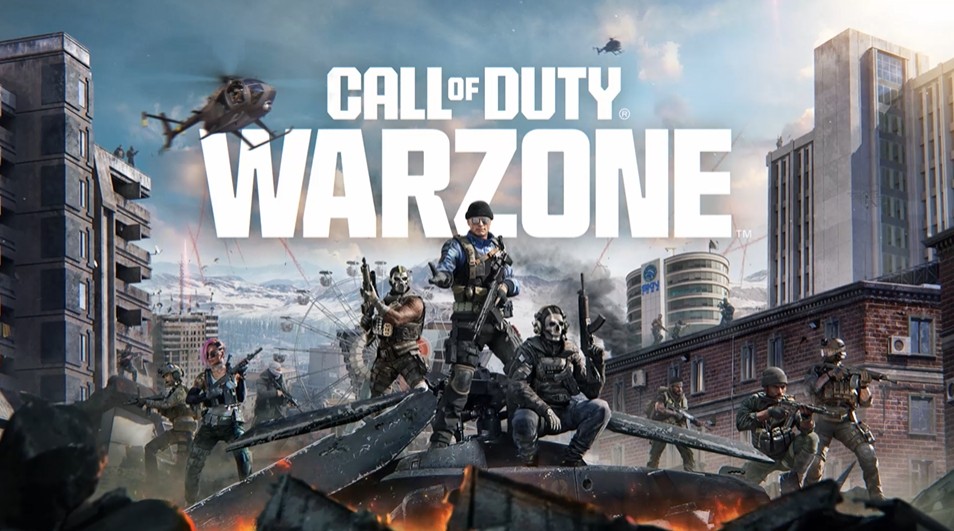
The Call of Duty franchise illustrates this leadership model at scale. Since its launch in 2003, the franchise has sold more than 500 million copies. Industry estimates place total lifetime revenue above USD 35 billion.
Those results were not driven by one title. They came from consistent governance, stable release cadence, and controlled expansion into multiplayer, live services, and digital distribution.
Leadership continuity and annual cadence
Annual release cycles demand exceptional coordination. Studios must align design, engineering, testing, marketing, and platform compliance across continents. Leadership continuity keeps those systems synchronized.
When cadence slips, consequences cascade. Marketing spend becomes inefficient. Platform partnerships weaken. Player trust erodes. Zampella’s leadership reduced those risks by prioritizing schedule integrity.
Talent retention as a strategic priority
Senior talent retention is one of the most underestimated factors in AAA economics. When senior designers or technical leads leave mid-cycle, projects slow or reset. Replacement costs extend beyond salaries and include lost momentum and institutional knowledge. Zampella built environments where senior talent stayed. Stability reduced turnover and preserved execution speed.
Creative autonomy with operational control
Zampella’s leadership balanced autonomy and discipline. Creative teams were protected from excessive corporate interference, but production milestones were enforced. This balance prevented both creative drift and bureaucratic paralysis. That structure allowed innovation without sacrificing delivery.
Live-service governance and monetization
As franchises shifted toward live-service models, leadership challenges increased. Monetization decisions affect player trust and long-term engagement. Excessive monetization damages retention. Weak monetization limits reinvestment. Zampella’s approach maintained balance. Monetization supported ongoing development without undermining the brand.
Economic footprint of AAA franchises
Large franchises support extensive economic ecosystems. Development teams employ thousands directly and indirectly. Additional layers include infrastructure providers, payment processors, esports organizers, marketing agencies, and hardware manufacturers. Leadership instability at the top of a franchise can disrupt these value chains.
Respawn Entertainment and leadership value
Zampella co-founded Respawn Entertainment in 2010. The studio demonstrated its ability to build new IP and operate live-service titles with high engagement. Electronic Arts acquired Respawn in 2017, citing long-term strategic value. The acquisition reflected confidence in leadership, not just products.
Leadership loss and market risk
The sudden loss of a senior operator introduces execution risk. Investors and publishers monitor release timelines, retention metrics, and senior staff continuity. Leadership gaps increase uncertainty in capital planning. In entertainment, uncertainty is priced quickly.
Governance under pressure
Following leadership loss, organizations often freeze roadmaps, reinforce quality controls, and secure senior talent. These measures aim to preserve execution discipline during transition periods. They also signal stability to partners and markets.
Trust across stakeholders
Trust operates on three levels: players, employees, and shareholders. Leadership consistency sustains that trust. Once broken, rebuilding trust requires time, capital, and visible change.
Long-term legacy
Vince Zampella’s legacy is structural. He demonstrated that studio culture, governance discipline, and leadership clarity can generate durable intellectual property. His death removes a rare operator from the industry. The franchises and studios shaped under his leadership now face a test of continuity.
What the industry learned
Zampella’s career reinforced a central lesson: in AAA entertainment, leadership quality is inseparable from financial performance. Code can be rewritten. Pipelines can be rebuilt. Trust and discipline take years to establish.
That lesson remains.
10 lessons learned from Vince Zampella’s method
- Protect creative ownership. Keep final creative calls close to the team building the game, not buried in layers of approvals.
- Make decisions early. Lock direction fast to avoid late rework that inflates cost and breaks schedules.
- Run short decision loops. Reduce meeting drag and keep feedback cycles tight so production keeps moving.
- Build for shipping, not for perfection. Release discipline matters; improvements can follow once the pipeline is stable.
- Use quality gates. Define clear checkpoints so weak builds do not reach players and damage trust.
- Keep the franchise identity consistent. Evolve the product, but protect what players recognize as the core.
- Balance monetization with trust. Revenue grows when players feel respected; trust loss is expensive to reverse.
- Retain senior talent. Stability at the top of production prevents resets and protects institutional knowledge.
- Standardize the pipeline. Reusable tools and repeatable processes reduce volatility across yearly cycles.
- Treat cadence as strategy. On-time delivery strengthens partners, marketing efficiency, and long-term enterprise value.
Learn more about Pope Francis Dies at 88: A Legacy of Compassion.
Vince Zampella’s method: Studio Governance, Franchise Control, and Long-Term IP Value FAQ
What is Vince Zampella’s method in AAA leadership?
It is a leadership approach based on clear authority, short decision cycles, and strict delivery discipline to protect quality and schedule.
Why does studio governance matter in AAA games?
Because governance reduces late rework, limits budget overruns, and keeps multi-team production aligned on one plan.
How does franchise control affect long-term IP value?
Franchise control keeps the brand consistent, protects trust, and supports repeatable releases and recurring revenue.
Why is leadership continuity important for annual releases?
It keeps teams synchronized, reduces workflow disruptions, and prevents schedule slips that hurt retention and revenue.
How does predictable delivery become an economic asset?
Publishers and platforms value predictability because it supports planning, partnerships, and stable cash flow.
Why do late changes cost so much in AAA production?
Late changes force rework across design, engineering, testing, and content pipelines, which often raises costs by 20% to 40%.
How does talent retention protect franchise performance?
It preserves institutional knowledge, reduces resets, and keeps production speed stable across release cycles.
What is the leadership risk when senior operators are lost?
The risk is execution drift, schedule uncertainty, and higher churn, which can weaken confidence in long-term planning.
Why are quality gates important in franchise governance?
Quality gates stop weak builds before launch, protecting brand reputation and player trust.
How does creative autonomy work with operational control?
Teams keep creative freedom, while milestones and accountability keep delivery disciplined and on schedule.
Why does live-service governance need careful leadership?
Because monetization and updates influence trust, engagement, and long-term spending behavior.
How can monetization damage a franchise?
Excessive monetization can reduce trust and retention, which lowers long-term revenue even if short-term sales spike.
How can weak monetization hurt a franchise?
It limits reinvestment in content, service quality, and anti-cheat, which can weaken engagement over time.
Why do publishers watch retention metrics after leadership changes?
Retention shows whether players still trust the product, return after updates, and sustain recurring revenue.
What makes a franchise more valuable than a single hit game?
A franchise has repeatable releases, consistent brand identity, and durable engagement that can last across many years.
Why does franchise governance matter for partners and platforms?
Because partners rely on schedule reliability, service stability, and predictable audience engagement.
How do roadmaps help after leadership loss?
Roadmaps reduce uncertainty by locking priorities, clarifying timelines, and aligning teams on measurable deliverables.
Why does trust matter across players, employees, and shareholders?
Trust keeps players engaged, retains staff, and supports investment confidence in future releases.
How does Call of Duty illustrate franchise scale?
It has sold more than 500 million copies since 2003 and is widely estimated above USD 35 billion in lifetime revenue.
What is the core legacy of Vince Zampella’s leadership?
He showed that studio culture and disciplined governance can create durable intellectual property with long-term enterprise value.
Glossary: Vince Zampella’s method: Studio Governance, Franchise Control, and Long-Term IP Value
AAA game
A large-budget game made by big teams with long timelines, global distribution, and high production costs.
Studio governance
The decision structure that defines authority, accountability, approvals, and how production risks are controlled.
Franchise control
The management of brand identity, release cadence, and product direction to keep the IP consistent over time.
Intellectual property (IP)
A protected creative asset that can support sequels, live services, licensing, and long-term monetization.
Release cadence
The planned rhythm of launches and updates that supports retention, marketing efficiency, and recurring revenue.
Quality gates
Defined checkpoints that must be met before a build progresses, reducing the chance of weak releases.
Late-stage rework
Changes made late in development that trigger redesign and retesting across teams, raising cost and delay risk.
Talent retention
Keeping senior staff and core teams stable to preserve institutional knowledge and execution speed.
Live-service model
A model that continues after launch through updates, seasons, and in-game purchases, requiring ongoing operations.
Enterprise value
The market value of a business based on durable cash flows, risk profile, and confidence in execution.