
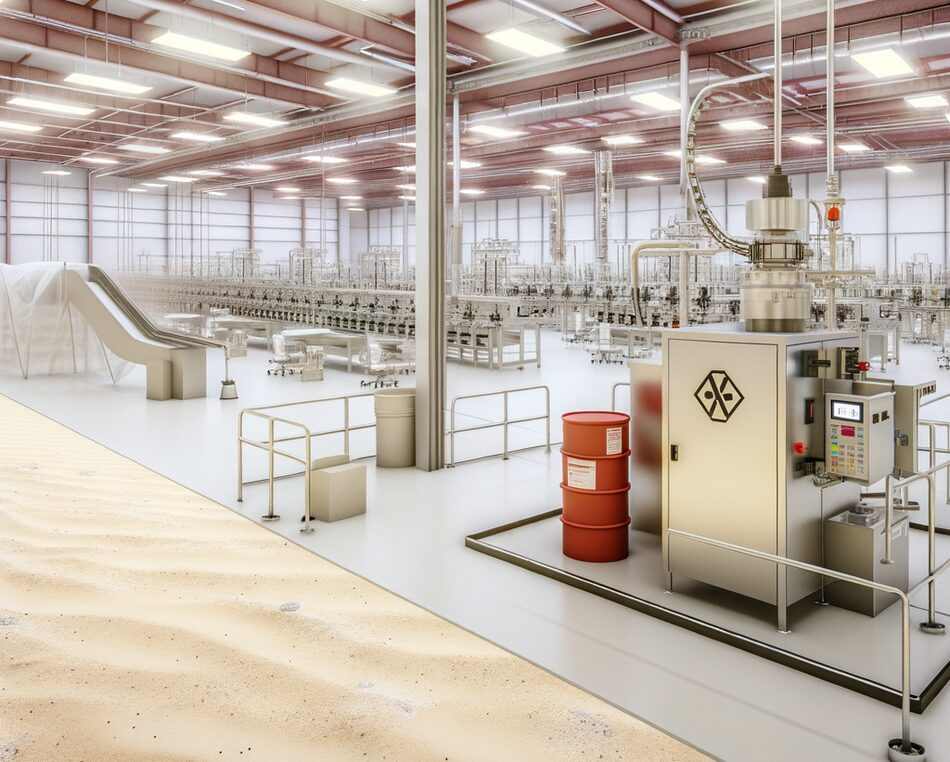
AbbVie Inc. acquires a Tempe, Arizona drug-delivery device facility for $175M, enhancing its manufacturing network and supporting advanced immunology and neuroscience therapies. Learn more about Indian Peaks Rental, Inc. – Acquisition in.
AbbVie Inc. has announced a definitive agreement to acquire a drug-delivery device manufacturing facility in Tempe, Arizona, marking a significant development in the capital markets landscape. The $175 million transaction includes the facility’s intellectual property and is positioned to support AbbVie’s global ambitions in immunology and neuroscience drug delivery. Learn more about Nestlé pours $100 million into Wonder Group,.
Transaction overview
The acquisition involves AbbVie Inc. purchasing a manufacturing facility and associated intellectual property from West Pharmaceutical Services, a move that underscores the company’s commitment to expanding its advanced drug-delivery capabilities. The Tempe facility, which features multiple production lines and proprietary 3.5 mL on-body injector technology, is set to become a crucial component of AbbVie’s global manufacturing network. The $175 million investment covers both the acquisition and planned modernization of the site, ensuring it meets the company’s rigorous standards for quality and innovation. For further insights, see our guide on Lone Star Funds JV – $119.6M Alhambra Office.
Upon completion, AbbVie plans to integrate the Tempe facility into its broader manufacturing ecosystem, leveraging its strategic location and technical assets to support both current and next-generation medicines. The facility’s focus on on-body injector technology aligns with AbbVie’s pipeline in immunology and neuroscience, two therapeutic areas where advanced drug delivery is increasingly critical for patient outcomes and market differentiation. The transaction also includes the transfer of intellectual property, providing AbbVie with exclusive rights to the device designs and manufacturing processes developed at the site. Related: Glencore plans to construct Europe's largest.
In addition to the capital investment, AbbVie expects to hire approximately 200 employees at the Tempe location, further strengthening its operational presence in Arizona. The transaction is anticipated to close in mid-2026, subject to customary closing conditions, including regulatory approvals and completion of due diligence. This timeline allows for a smooth transition of assets and personnel, as well as the implementation of planned upgrades to the facility’s infrastructure and production capabilities. You may also find our resource on Apple Eyes Brazil for iPhone Production Expansion helpful.
The acquisition reflects AbbVie’s broader strategy of securing critical manufacturing assets to support its expanding portfolio of complex biologics and device-enabled therapies. By bringing the Tempe facility and its proprietary technologies in-house, AbbVie aims to enhance supply chain resilience, accelerate product development, and maintain control over key aspects of its drug-delivery innovation pipeline. For further insights, see our guide on Expanding Korean Presence: Major Semiconductor.
Investor and capital markets context
This transaction arrives at a pivotal moment for the pharmaceutical and biotechnology sectors, where advanced drug-delivery technologies are increasingly seen as essential to unlocking value in complex therapeutic areas. For investors, AbbVie’s $175 million outlay represents a calculated bet on the future of device-enabled drug administration, particularly in high-growth segments such as immunology and neuroscience. The acquisition is consistent with recent trends in capital markets, where large-cap pharmaceutical companies are investing in vertical integration to secure critical supply chain assets and intellectual property. For further insights, see our guide on Tesla’s autonomous future: Robotaxi unveiling.
The deal structure—encompassing both physical assets and intellectual property—provides AbbVie with a comprehensive platform for innovation and operational efficiency. This approach mirrors comparable transactions in the sector, such as recent manufacturing site acquisitions by other global biopharmaceutical firms seeking to internalize device production and reduce reliance on third-party suppliers. The emphasis on on-body injector technology is particularly notable, as these devices are increasingly favored for their ability to improve patient adherence and enable self-administration of complex biologics outside traditional clinical settings.
From a capital markets perspective, the transaction is expected to be funded from AbbVie’s existing cash reserves and ongoing operating cash flows, reflecting the company’s robust balance sheet and disciplined capital allocation strategy. The investment is not anticipated to materially impact AbbVie’s credit profile or dividend policy, given its scale relative to the company’s overall financial position. However, the acquisition is likely to be closely watched by investors for its potential to drive long-term value creation through enhanced manufacturing capabilities and accelerated product launches.
Regulatory context is also a key consideration for investors. The transaction is subject to customary closing conditions, including regulatory approvals, which are standard for cross-company asset transfers in the highly regulated pharmaceutical sector. AbbVie’s track record of successful integration and compliance provides confidence in its ability to navigate these requirements, though the timeline to closing—projected for mid-2026—reflects the complexity of such transactions. Investors will monitor progress closely, particularly any updates on regulatory milestones or integration planning.
Market implications
The acquisition of the Tempe facility positions AbbVie to capitalize on several macro trends shaping the pharmaceutical industry. The growing demand for biologics and specialty medicines, coupled with the shift toward patient-centric drug delivery, has elevated the strategic importance of advanced device manufacturing. By securing proprietary on-body injector technology and the associated production capacity, AbbVie is well-placed to meet rising market expectations for convenience, efficacy, and patient adherence in chronic disease management. For further insights, see our guide on Super Bowl Champion Tim Wright Pioneers.
Arizona’s emergence as a hub for life sciences manufacturing further amplifies the significance of this transaction. The state’s favorable business climate, skilled workforce, and proximity to key logistics corridors make it an attractive location for pharmaceutical investment. AbbVie’s decision to expand its presence in Arizona is likely to stimulate further industry activity in the region, attracting ancillary investment and supporting the state’s broader economic development goals. Related: California's ambitious AI regulation Bill sparks.
For the broader market, the transaction signals continued momentum in the integration of drug and device development—a trend that is reshaping competitive dynamics across the pharmaceutical value chain. Companies with in-house device manufacturing capabilities are increasingly able to differentiate their products, streamline regulatory approvals, and respond more rapidly to shifts in demand. AbbVie’s investment in the Tempe facility underscores the premium placed on such capabilities, particularly as the industry moves toward personalized medicine and complex biologic therapies. For further insights, see our guide on HSBC Acquires Silicon Valley Bank UK Limited,.
Comparable transactions in recent years have demonstrated the value of integrating device manufacturing with biologics development. For example, acquisitions of device-focused manufacturing assets by other large pharmaceutical companies have enabled accelerated product launches, cost efficiencies, and improved supply chain resilience. AbbVie’s move is consistent with this trend and is expected to enhance its competitive positioning in key therapeutic markets. For further insights, see our guide on Elon Musk Launches Enrollment for Brain Chip.
Why this matters for investors
For institutional and private equity investors, AbbVie’s acquisition of the Tempe facility offers several noteworthy implications. First, it reinforces the company’s commitment to innovation and operational excellence in high-growth therapeutic areas. By internalizing critical manufacturing capabilities, AbbVie reduces its exposure to third-party supply chain risks and positions itself to capture greater value from its intellectual property portfolio.
Second, the transaction highlights the increasing importance of device-enabled therapies in driving market share and patient outcomes. As payers and providers place greater emphasis on real-world effectiveness and patient experience, companies with advanced drug-delivery solutions are likely to command a premium in both commercial and capital markets. AbbVie’s investment in on-body injector technology reflects a strategic alignment with these evolving market dynamics. Related: Microchip Technology Plans Expansion.
Finally, the acquisition underscores the role of strategic capital deployment in sustaining long-term growth. AbbVie’s disciplined approach—targeting assets that complement its existing portfolio and support future innovation—provides a model for value creation in a rapidly changing industry landscape. Investors will be watching closely for updates on integration progress, regulatory milestones, and the impact of the transaction on AbbVie’s product pipeline and financial performance. Related: Leveraging Deep-Tech Startups: A Strategic.
In summary, AbbVie’s acquisition of the Tempe, Arizona manufacturing facility represents a significant step forward in its strategy to lead in advanced drug delivery and biologics innovation. The transaction is expected to deliver operational, strategic, and financial benefits, reinforcing AbbVie’s position as a global leader in immunology and neuroscience therapies. You may also find our resource on Wingcopter Secures €40M EU Funding to Expand helpful.
Damalion helps international family offices, entrepreneurs, private equity and venture capital firms identify opportunities to achieve their goals. For further insights, see our guide on Brazilian Tech Firms Eye Investment Opportunities.