
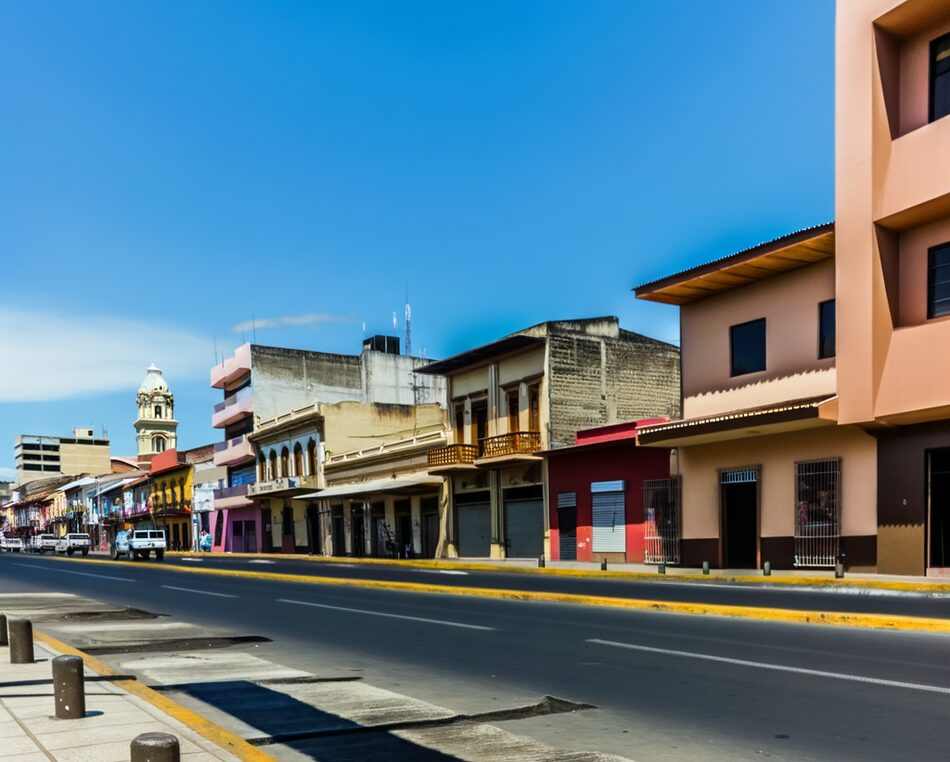
Why Global Investors Are Eyeing León
A combination of competitive labor costs, strategic geography, and a government drive to attract capital has put the city in the spotlight for foreign investors approaching Nicaragua in 2026. The country’s GDP is projected to grow by 2.4% this year, outperforming several regional peers. This market is now actively seeking new foreign direct investment to further diversify its economy beyond traditional sectors.
Sector Snapshot: Where Foreign Capital is Flowing
Agribusiness remains a cornerstone of local FDI. The region’s fertile volcanic soils have spurred new investments in specialty coffee, organic peanuts, and sugar cane processing. Recent greenfield projects in agro-exports have increased production output by 18% year-on-year. Investors are capitalizing on a skilled agricultural workforce whose average monthly wage stands at $260, among the most competitive in Central America.
Manufacturing is another focal point, particularly in light textiles and food processing. New industrial parks on the outskirts of the city offer 10-year corporate tax holidays for export-oriented enterprises. These incentives have already attracted several multinational apparel brands, leading to a 12% increase in local manufacturing employment since 2024.
Tourism and hospitality are also rebounding after pandemic-era contractions. The city’s colonial architecture and proximity to Pacific beaches have boosted hotel occupancy rates to 67% in early 2026, with boutique hotel chains and eco-lodge developments now in the pipeline.
Investment Incentives: Tax, Customs, and Residency Benefits
The country’s Investment Promotion Law (Ley de Promoción de Inversiones) guarantees national treatment for foreign investors and allows 100% foreign ownership in most sectors. Companies establishing operations in Free Trade Zones enjoy exemptions from import duties, VAT on raw materials, and municipal taxes for up to 15 years. Capital repatriation is unrestricted, and there are no foreign exchange controls on profits or dividends.
For investors seeking residency, the Investor’s Permanent Residency program requires a minimum investment of $30,000 in qualifying sectors. Residency permits are typically processed within 90 days. Damalion facilitates the entire application process, ensuring document compliance and representing clients through all governmental touchpoints.
Navigating the Local Regulatory Environment
Setting up a new business entity in this market typically takes 15–18 business days, provided all documentation is in order. Incorporation fees average $1,500, while annual maintenance costs are around $600. The country’s notary system requires an initial capital declaration—commonly set at $10,000 for limited liability companies. Foreign companies can also establish branches, but must appoint a resident legal representative and register with the local tax authority (DGI).
Bank account opening has become more stringent following the 2024 AML reforms, which demand enhanced KYC checks and beneficial ownership disclosure. Damalion’s team coordinates document preparation, apostille certification, and handles interactions with major banking institutions to streamline onboarding for cross-border clients.
Risk Factors and Safeguards
While the country offers generous incentives, investors should remain aware of evolving regulatory and political dynamics. Recent restrictions on certain civil society activities in the city highlight the need for robust legal and reputational due diligence. Investors entering regulated sectors such as telecommunications or energy must obtain sector-specific licenses, which can add 6–12 weeks to the project timeline.
- Minimum wage for skilled labor: $340/month in 2026
- Corporate income tax: 30%, with reductions for FTZ-registered firms
- Standard VAT: 15%, with exemptions for export operations
- Cross-border asset transfers: no withholding tax on dividends sent abroad
Practical Steps: From Incorporation to Operation
Foreign entrepreneurs should begin by selecting the optimal legal structure—most commonly a Sociedad Anónima (S.A.) or Sociedad de Responsabilidad Limitada (SRL). Registration involves submitting incorporation deeds, partner identification, and proof of capital to the Mercantile Registry. It is advisable to secure a local tax ID and municipal operating license prior to commencing activities.
For those planning to import machinery or raw materials, customs clearance is expedited for FTZ-certified companies, with processing times averaging just 3 business days. Investors working with Damalion benefit from streamlined access to compliant corporate structures, risk-mitigation strategies, and introductions to vetted local partners across key industries.
Outlook for León in 2026
With GDP growth outpacing regional averages and a suite of investor-friendly policies, the city offers compelling FDI opportunities for those seeking exposure to Nicaragua’s emerging markets. Whether targeting agribusiness, manufacturing, or tourism, investors can rely on a robust legal framework and attractive fiscal incentives. Navigating the environment is straightforward with the right advisory partner—Damalion remains ready to support your expansion into this dynamic Nicaraguan market.
Damalion supports international investors, entrepreneurs, and family offices establishing and structuring their business in Nicaragua. Contact your Damalion experts now.