
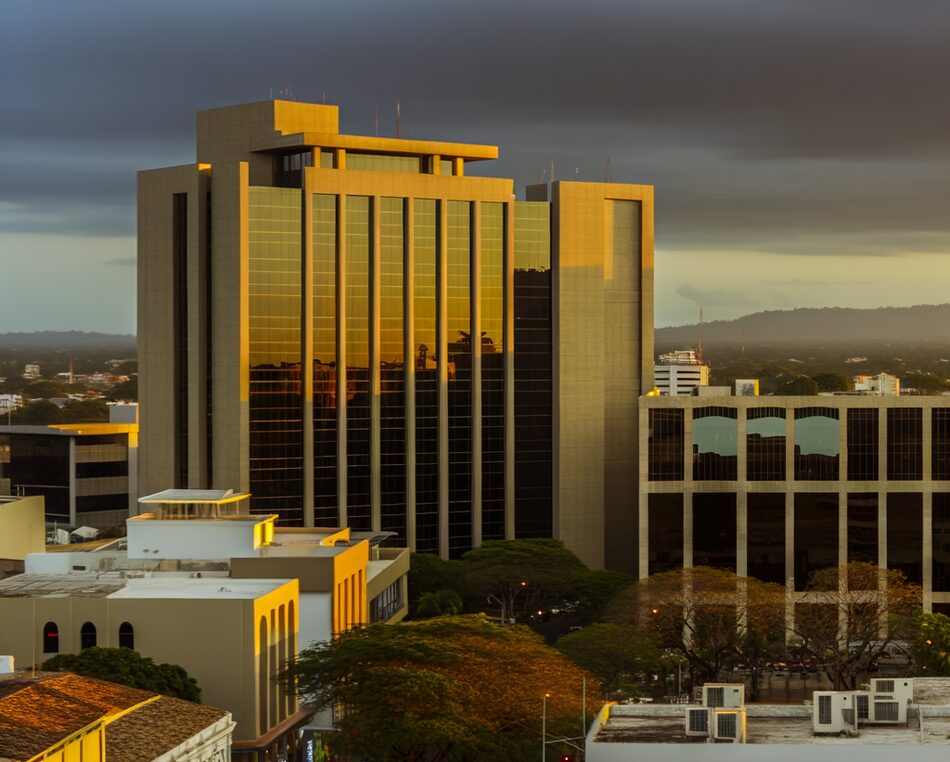
Why International Buyers Are Eyeing Heredia in 2026
Rising interest from international investors has put the spotlight on Heredia, a city combining lush landscapes with fast-improving infrastructure. The region’s proximity to Costa Rica’s capital, quick access to Juan Santamaría International Airport (under 25 minutes), and established tech parks are drawing both expatriates and corporate buyers. Real estate values in the area have appreciated by an average of 7.4% annually over the last three years, outpacing most of the country’s secondary markets.
Recent political shifts, including the election of Laura Fernández, have underscored public demand for security and economic stability. While the country’s political climate saw turbulence during the 2026 election cycle, the new administration has prioritized foreign direct investment and property rights, reinforcing confidence in real assets. For international buyers, this market offers a blend of lifestyle, rental yield, and capital appreciation potential not easily matched elsewhere in the region.
Ownership Rules: No Nationality Restriction, Transparent Process
One of the most attractive features for foreign investors is the absence of nationality-based restrictions on property ownership. Non-residents are permitted to purchase land, homes, and commercial real estate under the same legal framework as Costa Rican citizens. Title registration is centralized with the National Registry, and all property transfers must be notarized by a Costa Rican attorney.
Foreign individuals and legal entities can hold property directly, but many international buyers prefer to acquire assets through a local corporation (Sociedad Anónima or S.A.). This structure can simplify inheritance, limit liability, and facilitate partnership arrangements. Damalion facilitates the entire incorporation process, from entity formation to registration with local authorities, enabling seamless property acquisition for non-resident clients.
- No minimum investment threshold for property purchases
- 100% foreign ownership permitted (except within restricted maritime zones)
- All transactions must be conducted in Costa Rican colones or US dollars
Costs, Taxes, and Ongoing Compliance
Transaction costs in this market typically range from 3% to 4.5% of the property value, including legal fees, registry costs, and transfer taxes. The real estate transfer tax stands at 1.5% of the declared property value, payable at closing. Annual property taxes are relatively modest: 0.25% of the recorded municipal value, with most Heredia homes taxed between $150 and $600 per year.
Rental income is subject to a flat 15% tax for non-resident owners, with deductions allowed for certain expenses. Capital gains from the sale of residential properties are generally taxed at 15% unless the seller is an individual disposing of their primary residence, in which case an exemption may apply. Damalion’s legal and tax advisory team coordinates due diligence, document preparation, and ongoing compliance, ensuring international clients remain fully aligned with local regulations.
- Property transfer tax: 1.5% (payable by buyer)
- Annual municipal tax: 0.25% of property value
- Rental income tax: 15% for non-residents
- Capital gains tax: 15% (with primary residence exemption)
Key Steps and Practical Timeline
The acquisition process in the country is straightforward but requires careful coordination. Here’s a breakdown of the main stages:
- Reservation agreement and initial deposit (commonly 10%)
- Legal due diligence (title search, municipal permits, encumbrance checks) — 7 to 10 business days
- Drafting and notarization of the transfer deed — typically within 3 business days after due diligence
- Registration with the National Registry — usually completed within 14 calendar days post-closing
The entire cycle, from signing a reservation to official registry, can be completed in under 30 days for cash buyers. For those financing through local lenders, expect an additional 2–4 weeks due to underwriting and document verification requirements.
Risks, Opportunities, and Market Outlook
While this market’s real estate market has proven resilient, investors should remain alert to zoning regulations, especially for properties near protected areas. Municipalities periodically update land use plans, so confirming permitted uses before committing to a transaction is essential. Another non-obvious insight: recent reforms now allow for expedited resolution of property disputes through the new Civil and Administrative Court Division, reducing legal uncertainty and average dispute times from 14 months to under 7 months.
On the opportunity side, demand for long-term and short-term rentals continues to grow, particularly from multinational tech companies expanding their presence in the region. This trend is fueling steady occupancy and above-average yields, with gross rental returns in the city averaging 6–8% annually. Investors working with Damalion benefit from streamlined access to fully compliant corporate structures, reliable property management partners, and up-to-date market intelligence.
Is the local market Right for Your Investment Strategy?
The city’s blend of stability, growth, and ease of access make it a compelling choice for international buyers in 2026. The country’s legal environment is highly accommodating to foreign ownership, transaction costs are transparent, and recent judicial reforms have further reduced risk. For those seeking both capital appreciation and rental income, this market offers a balanced risk-return profile in the heart of the country’s most dynamic corridor.
For personalized support at every stage—from entity formation to tax structuring and post-acquisition compliance—contact Damalion for a confidential assessment of your investment goals in the metropolitan area and throughout Costa Rica.
Damalion supports international investors, entrepreneurs, and family offices establishing and structuring their business in Costa Rica. Contact your Damalion experts now.