Argentina’s Investor Visa Evolution: 2026 Outlook
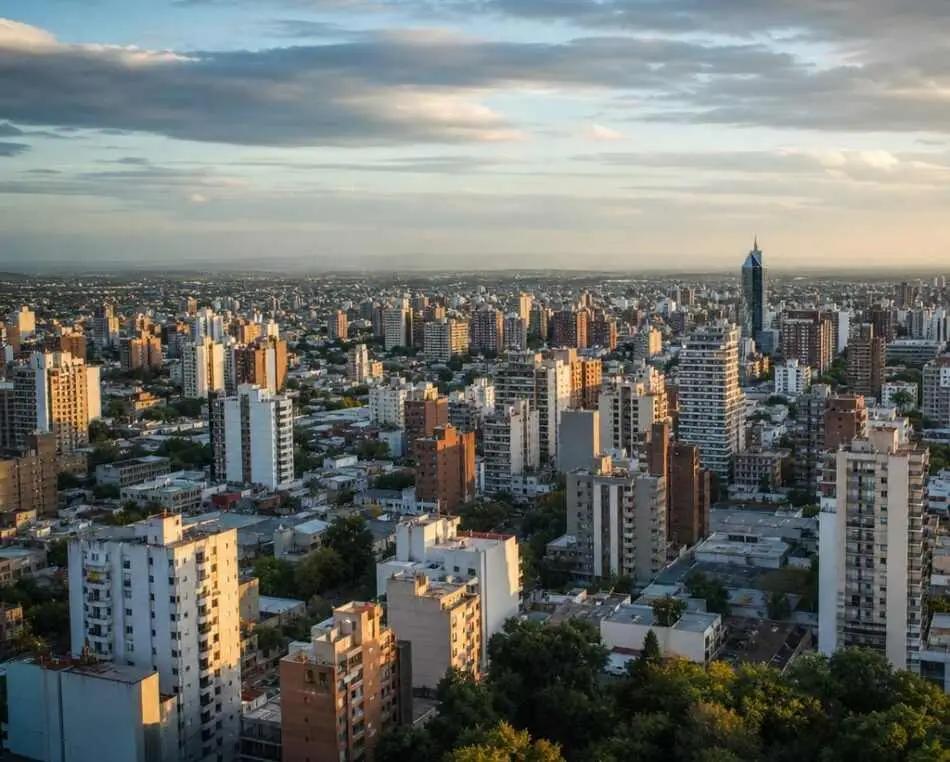
Over the past year, investor interest in Córdoba has surged, fueled by ongoing reforms and the anticipated launch of a new “Golden Visa” regime. This city, known for its vibrant industrial parks and leading universities, now sits at the intersection of opportunity and change. As of May 2026, Argentina is finalizing its investor residency program, aiming to attract both capital and entrepreneurial talent by streamlining paths to legal residency.
Currently, the country offers a residency-by-investment pathway under Article 23 of the Migration Law. This mechanism allows foreign nationals to acquire a temporary residence permit by investing ARS 1.5 million (approximately USD 1,600 at the official rate), subject to business project approval. Recent policy statements indicate that the upcoming “Golden Visa” could raise the minimum investment threshold and introduce a direct route to permanent residency for significant investors.
Prospective investors in this market should monitor legal updates closely. Damalion facilitates real-time guidance and manages all steps in the application — from business plan drafting to submission with local migration authorities.
The Residency Process: Timelines, Costs, and Key Requirements
The process begins with the submission of a detailed business plan outlining the investment’s economic impact, projected job creation, and sector alignment. Authorities typically review applications within 60–90 days, but timelines can extend due to background checks and document authentication.
- Minimum investment: ARS 1.5 million (subject to official exchange rate fluctuations and possible increases in 2026)
- Application fee: ARS 15,000–20,000, including document translation and consular legalization
- Residence permit duration: 1 year, renewable up to 3 years before permanent status eligibility
- Family inclusion: Spouses and dependent children can be included, requiring parallel documentation
Business project approval is discretionary and often favors initiatives in technology, renewable energy, or agroindustry. As seen in the city’s recent solar park launch and agroindustrial investments, authorities actively encourage projects that align with national priorities.
Damalion’s team coordinates end-to-end document preparation, apostille certification, and liaison with provincial and national offices, allowing investors to focus on strategic planning rather than bureaucracy.
Banking, Taxation, and Compliance Factors
Once residency is granted, investors gain access to local banking and corporate accounts. Opening a commercial account typically requires a CUIT (tax ID) and proof of business activity in Argentina. Regulatory KYC procedures involve detailed source-of-funds disclosure, with processing times averaging two weeks.
Tax residency in the country is triggered after 12 months of physical presence or by establishing primary economic interests locally. Residents are taxed on worldwide income at progressive rates up to 35%. Notably, dividends from domestic companies may benefit from reduced withholding rates, a point of planning for family offices structuring their holdings.
- Corporate income tax: 25% (standard rate)
- Personal income tax: Progressive, 5%–35%
- VAT: 21% (with some reduced rates for specific sectors)
- Asset declaration: Annual, including overseas assets for residents
Investors should also consider compliance with exchange controls, which can affect profit repatriation. The country has made incremental moves to liberalize capital flows, but practical restrictions remain, particularly for large transfers abroad.
Practical Tips: Navigating Investment and Residency in Córdoba
For those targeting the city, sector selection matters. Renewable energy, tech innovation, and agroindustrial ventures receive streamlined processing, reflecting both local and national development priorities. A notable example is the recent inauguration of a solar facility at the Córdoba Industrial Park, signaling openness to foreign-backed infrastructure projects.
Investors should prepare for dynamic regulatory changes. The upcoming “Golden Visa” may introduce higher investment minimums—potentially ARS 10 million or more—while accelerating permanent residency grants for larger projects. It is advisable to initiate applications under the current framework to lock in lower thresholds and avoid delays stemming from pending legislative adjustments.
International entrepreneurs can benefit from regional partnerships, including cross-border investor privileges recently piloted with neighboring countries. These bilateral arrangements may soon simplify multi-jurisdictional residency for high-net-worth individuals.
Damalion’s local network enables foreign investors to navigate KYC and due diligence requirements efficiently, streamlining both company incorporation and personal immigration steps.
Outlook for 2026: Opportunity Amid Evolving Policy
While public sector protests and fiscal tightening have created some uncertainty, the country’s drive to attract private capital remains robust. this market, with its expanding industrial base and skilled workforce, is well positioned for investors seeking both residency and growth opportunities.
As policy reforms progress through 2026, timely action is essential. Investors who act now in the local market can capitalize on favorable investment thresholds and gain early-mover advantages before new regulations are finalized. For tailored guidance on Argentina’s investor residency programs and assistance throughout the process, international clients are encouraged to consult Damalion.
Damalion supports international investors, entrepreneurs, and family offices establishing and structuring their business in Argentina. Contact your Damalion experts now.