
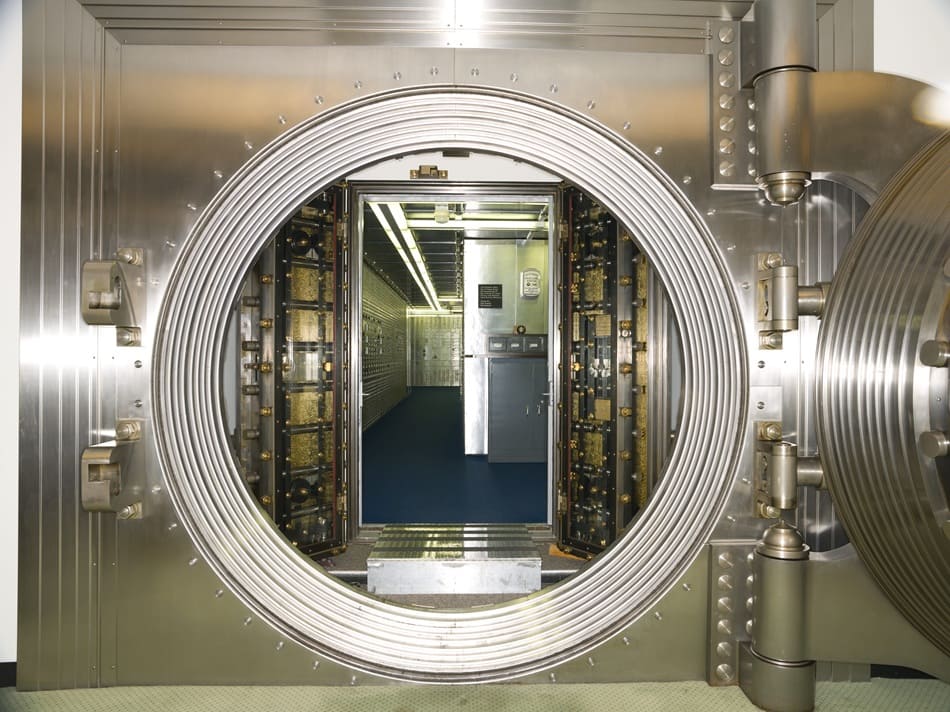
Luxembourg depositary banks form the backbone of fund compliance and investor protection in the Grand Duchy of Luxembourg. They safeguard assets, monitor cash flows, and provide regulatory oversight for funds under both the AIFMD and UCITS regimes. Their role extends far beyond simple custody. Effective depositary services underpin the operational integrity of Luxembourg’s investment fund sector.
Role of the Depositary Bank in Luxembourg Fund Structures
Key Actors and Regulatory Landscape
Every regulated investment fund in Luxembourg must appoint a depositary bank. The Law of 17 December 2010 (for UCITS) and the Law of 12 July 2013 (for AIFs transposing AIFMD) define this obligation. The Commission de Surveillance du Secteur Financier (CSSF) supervises depositary activities. Only credit institutions and certain professional depositaries, subject to CSSF authorisation, may act in this capacity.
Specifically, the depositary bank acts as an independent third party between the fund and its investors. As a result, the depositary bank supports robust governance and reduces operational risk for the fund. In Luxembourg, the depositary must be established in the country and maintain sufficient local substance, including infrastructure and staff.
Functions and Responsibilities
The depositary bank performs three main duties: safekeeping of assets, cash flow monitoring, and oversight. For example, the bank ensures proper valuation processes, verifies fund share subscriptions and redemptions, and checks compliance with applicable investment restrictions. In turn, these activities protect investors from mismanagement and fraud.
Furthermore, the depositary bank interacts with other service providers, such as fund administrators, auditors, and the management company. This cooperation ensures the fund remains compliant and transparent throughout its lifecycle. Discover more about Luxembourg depositary banks here.
Depositary Obligations Under AIFMD and UCITS
Comparing AIFMD and UCITS Requirements
The AIFMD and UCITS directives impose specific obligations on depositary banks. Under AIFMD, Article 21 sets out the depositary’s core duties, including asset safekeeping, cash monitoring, and oversight of fund operations. Meanwhile, the UCITS Directive establishes near-identical requirements but with some nuances, particularly regarding eligible assets and investor profiles.
For both regimes, the depositary must act honestly, fairly, professionally, independently, and in the interests of the fund and its investors. However, AIFMD allows depositaries to delegate certain custody functions, subject to strict liability and due diligence requirements. In contrast, UCITS depositaries face tighter restrictions on delegation.
CSSF Circulars and Local Rules
CSSF Circular 16/644 provides detailed guidance on depositary duties for AIFs. For UCITS, CSSF Circular 18/697 outlines local expectations, including segregation of assets and conflict of interest management. Accordingly, depositary banks must implement robust controls and document all procedures. The CSSF regularly reviews compliance with these obligations during its supervision.
Additionally, Luxembourg law requires a written depositary agreement between the fund and the depositary. This contract sets out the scope of services, liability, and escalation procedures for breaches or disputes.
Asset Safekeeping and Cash Flow Monitoring Duties
Safekeeping of Assets in Luxembourg
Depositary banks in Luxembourg must segregate and protect fund assets from their own and other clients’ assets. They hold financial instruments in custody accounts in the fund’s name, while verifying ownership and record-keeping for other assets. For example, real estate or private equity investments require documentation checks rather than physical custody.
In practice, the depositary bank reconciles asset positions daily and investigates discrepancies. This process helps prevent asset misappropriation and reduces operational errors. Furthermore, Luxembourg law prohibits depositaries from using client assets for their own account.
Cash Flow Monitoring and Oversight
Depositary banks must monitor all fund cash flows on an ongoing basis. They check that investors pay subscription proceeds into the correct accounts and that fund expenses align with the prospectus. Therefore, the bank must identify and report any unusual cash movements or suspicious transactions to the fund and, where required, to authorities.
Moreover, depositary banks verify that income and proceeds from investments are received in accordance with fund rules. This oversight extends to the correct allocation of dividends, interest, and redemption proceeds. As such, effective cash flow monitoring by the depositary helps combat fraud, money laundering, and operational mistakes.
Distinction: Depositary vs Custodian vs Prime Broker
While the depositary bank acts as the fund’s guardian, a custodian usually focuses only on asset holding and settlement. The depositary oversees the custodian’s performance and remains legally responsible for safekeeping. Similarly, a prime broker may provide additional services, such as securities lending and leverage, but does not replace the depositary’s regulatory obligations. For this reason, fund managers must clearly separate these roles to avoid conflicts and comply with CSSF requirements.
Depositary Liability and Investor Protection
Strict Liability for Asset Loss
Both AIFMD and UCITS frameworks impose strict liability on depositary banks for the loss of financial instruments held in custody. If a depositary cannot return assets, it must restore equivalent assets to the fund without undue delay. Only force majeure or external events beyond the bank’s control may exempt it from liability. This high standard clearly distinguishes depositaries from standard custodians.
For other assets, such as private equity or real estate, depositary liability follows a standard of negligence. Nevertheless, the depositary must prove it acted with all due care to avoid responsibility for losses.
Oversight and Regulatory Escalation
Luxembourg depositary banks must escalate breaches or non-compliance to the fund’s board and the CSSF. This duty ensures early detection and remediation of regulatory lapses. Moreover, the depositary must refuse to execute transactions that breach the law or the fund’s rules. As a result, investors benefit from a strong line of defence against malfeasance or operational errors.
CSSF Circulars reinforce these standards by requiring depositaries to maintain effective internal controls, regular audits, and transparent reporting lines. Consequently, depositary oversight forms a core pillar of investor protection in the Luxembourg fund sector.
How to Select a Depositary Bank in Luxembourg
Key Criteria for Fund Managers
Fund managers must consider several factors when choosing a depositary bank in Luxembourg. First, the bank must hold the appropriate CSSF authorisation for the relevant fund regime (AIF or UCITS). Second, managers should assess the bank’s expertise with the fund’s asset class, structure, and investor base.
Additionally, managers should review the depositary’s internal controls, technology, and capacity for robust cash flow monitoring. Track record, responsiveness, and familiarity with cross-border structuring also influence the selection process. For example, complex private equity or real asset funds require depositaries with tailored expertise.
Operational and Commercial Considerations
Managers must negotiate clear service level agreements and escalation protocols within the depositary agreement. Fee structures vary by fund complexity and risk profile. Therefore, understanding the scope of services and potential additional charges is vital.
In practice, some depositary banks offer bundled services, including fund administration or custody, while others focus solely on depositary services. Managers should ensure separation of duties to prevent conflicts of interest, as required by CSSF rules.
Finally, ongoing dialogue between the fund and its depositary bank fosters transparent governance and swift resolution of operational issues. Regular due diligence reviews and annual reassessments help maintain high standards of investor protection.
Damalion supports institutional investors, fund managers, and family offices with compliant Luxembourg structuring solutions. Contact your Damalion experts now.