
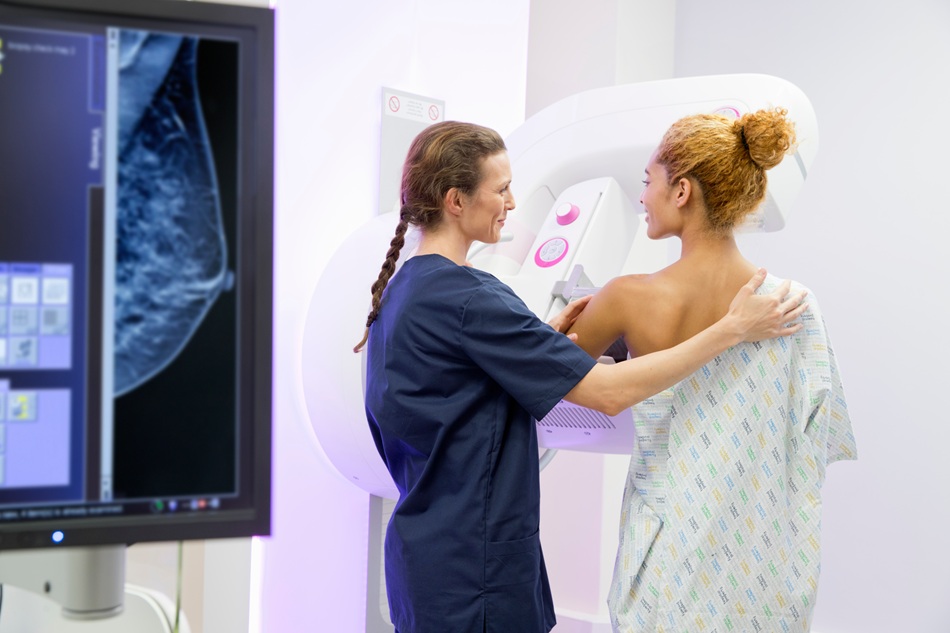
Solis Mammography – Acquisition of Women’s Center for Radiology in Florida
A strategic buyout expanding Solis Mammography’s specialized breast imaging network into the Orlando region and strengthening its statewide presence in Florida. Related: Lone Star Funds JV – $119.6M Alhambra Office. Learn more about Hoffmann Family of Companies – Acquisition of. For further insights, see our guide on Netflix Confirms a Historic $82.7 Billion.
Solis Mammography has completed the acquisition of Women’s Center for Radiology, marking its entry into the Orlando market and expanding its network in Florida. This buyout transaction, finalized in January 2026, reinforces Solis Mammography’s position within the healthcare sector, specifically in specialized radiology services.
Transaction overview
The acquisition of Women’s Center for Radiology by Solis Mammography represents a significant milestone in the company’s expansion strategy. Women’s Center for Radiology, with two established locations in Orlando, has been a key provider of breast imaging and diagnostic services in the region. By integrating these centers into its portfolio, Solis Mammography gains immediate access to a robust patient base and a team of experienced radiologists and technologists.
The transaction closed in January 2026, with Solis Mammography assuming full operational control of both Orlando centers. While financial terms were not publicly disclosed, the acquisition aligns with Solis Mammography’s ongoing efforts to scale its operations across major metropolitan areas in Florida. The newly acquired centers will continue to offer a comprehensive suite of breast imaging services, including mammography, ultrasound, and diagnostic consultations, now under the Solis Mammography brand and clinical protocols.
This deal marks Solis Mammography’s formal entry into the Orlando market, a region characterized by a growing population and increasing demand for specialized women’s healthcare services. The acquisition also complements the company’s existing network of imaging centers throughout Florida, enhancing its ability to deliver consistent, high-quality care across the state. Integration efforts are underway to align technology platforms, patient care standards, and administrative processes, ensuring a seamless transition for both patients and staff.
Regulatory approvals for the transaction were secured in accordance with Florida’s healthcare facility licensing requirements. The buyout did not trigger any antitrust concerns, given the highly fragmented nature of the outpatient imaging market in the state. The acquisition is expected to generate operational synergies, particularly in areas such as procurement, scheduling, and clinical quality assurance.
Investor and capital markets context
The acquisition of Women’s Center for Radiology by Solis Mammography occurs against a backdrop of heightened investor interest in outpatient healthcare services and diagnostic imaging. Private equity and strategic investors have increasingly targeted specialty healthcare providers, recognizing the sector’s resilience, recurring revenue streams, and opportunities for operational optimization. The imaging center market in Florida is particularly attractive due to its demographic trends, including an aging population and a strong influx of new residents, both of which drive demand for preventive and diagnostic healthcare services.
Comparable transactions in the diagnostic imaging space have seen robust valuations, often reflecting the premium placed on established regional networks and clinical expertise. Recent buyouts of imaging centers in other major Florida cities have demonstrated strong investor appetite for scalable, technology-enabled healthcare platforms. Solis Mammography’s acquisition strategy is consistent with broader industry trends, where consolidation is viewed as a pathway to achieving greater market share, negotiating leverage with payers, and improved patient outcomes through standardized protocols.
From a capital markets perspective, the transaction underscores the continued flow of private capital into healthcare services, particularly in asset-light, outpatient-focused business models. Investors are drawn to the predictability of cash flows associated with diagnostic imaging, as well as the potential for margin enhancement through operational integration. The Florida market, with its favorable regulatory environment and expanding insured population, remains a focal point for both domestic and international healthcare investors.
Regulatory considerations in Florida require acquirers to demonstrate compliance with state and federal healthcare laws, including patient privacy, facility licensing, and reimbursement standards. Solis Mammography’s established track record in other states likely facilitated a smooth approval process. The company’s scale and reputation for clinical excellence further mitigate operational risks typically associated with post-acquisition integration.
Market implications
The entry of Solis Mammography into the Orlando market through this acquisition has several implications for the regional healthcare landscape. First, it introduces a nationally recognized provider of breast imaging services into a market previously served primarily by independent or locally owned centers. This is expected to raise the competitive bar in terms of technology adoption, patient experience, and clinical quality.
For patients, the acquisition promises enhanced access to advanced imaging technologies and a broader network of care. Solis Mammography’s standardized protocols and investment in digital health infrastructure may translate into improved appointment scheduling, faster turnaround times for diagnostic results, and more coordinated care pathways. The integration of Women’s Center for Radiology into a larger network also facilitates knowledge sharing and the adoption of best practices in breast health management.
On a statewide level, the acquisition strengthens Solis Mammography’s ability to negotiate with payers and referring physicians, potentially leading to more favorable reimbursement rates and increased referral volumes. The company’s expanded footprint in Florida positions it as a preferred partner for health systems, accountable care organizations, and employer-sponsored health plans seeking high-quality, cost-effective imaging solutions.
Market consolidation in the imaging sector may also prompt further transactions, as smaller providers seek to align with larger networks to remain competitive. This could accelerate the trend toward regional and statewide networks, with implications for pricing, service differentiation, and patient choice. For regulators and policymakers, the transaction highlights the importance of maintaining access and quality standards as the market evolves.
Damalion helps international family offices, entrepreneurs, private equity and venture capital firms identify opportunities to achieve their goals.