Unlocking Residency in San Pedro Sula: Investment Options for 2026
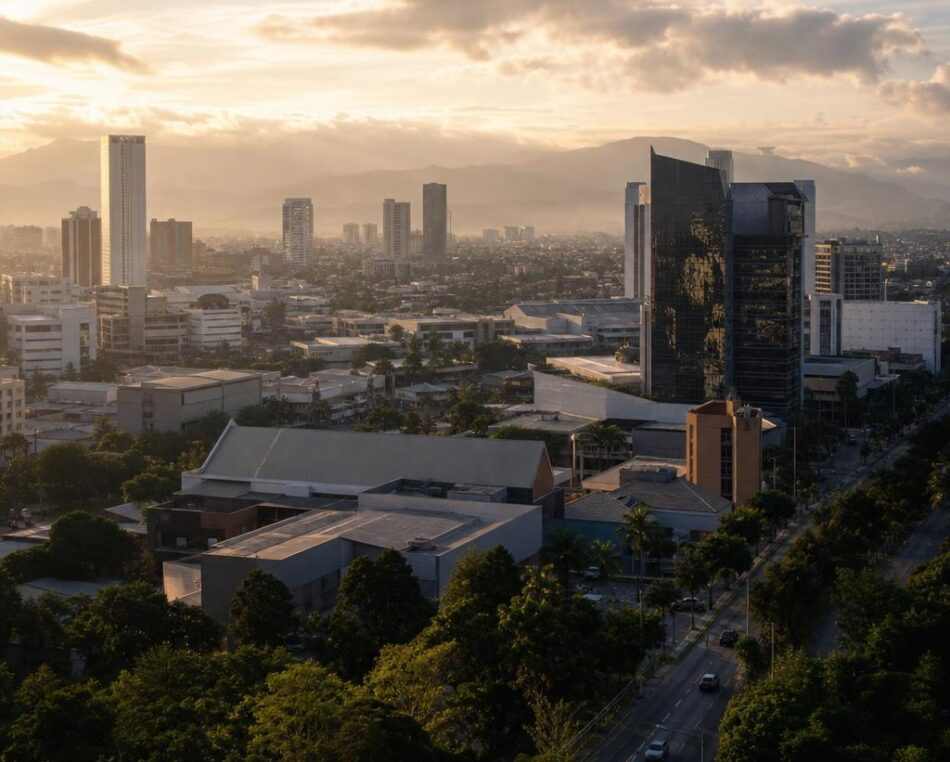
International investors looking for a foothold in Central America are taking a closer look at San Pedro Sula, where residency-by-investment programs offer a practical route to live and invest in the country. The city, often considered Honduras’ economic engine, is strategically positioned for access to regional markets and logistics infrastructure. As of May 2026, Honduras’ government has prioritized policies that encourage foreign capital, with investor residency programs forming a core part of this agenda.
Minimum Investment Requirements and Eligible Assets
The investor visa program in this market requires a minimum direct investment of USD 50,000. These funds can be allocated into sectors such as real estate, manufacturing, agriculture, or tourism. Notably, the country recognizes both tangible assets—such as commercial property or land—and business capital injections as qualifying investments. For family offices or entrepreneurs, this flexibility in asset classes increases portfolio diversification within the framework of Honduran law.
Investors are required to provide proof of investment through official contracts, bank wire receipts, and property titles, all of which must be duly registered with local authorities. Damalion facilitates the entire documentation and registration process, ensuring compliance with the latest requirements and expediting the timeline to approval.
Residency Application Process and Timeline
Securing investor residency involves several sequential steps. First, applicants must obtain a police clearance from their home jurisdiction, translated and apostilled. Next, investment funds are transferred and documented in the country. After evidence is gathered, investors submit a residency application to the National Institute of Migration, along with supporting materials and a medical certificate. The typical processing time ranges from 90 to 150 days, provided all paperwork is complete and consistent with regulatory standards in the country.
Spouses and dependent children under 18 can be included in the same application, subject to proof of relationship and additional fees averaging USD 900 per family member. Residency permits are initially valid for one year, renewable annually, and after five years of continuous legal residence, investors may qualify for permanent status and ultimately for citizenship under the country’s naturalization rules.
Taxation and Reporting Obligations for Residents
Individuals who gain residency are not automatically taxed on global income. The country applies a territorial tax system; only income earned within its borders is subject to local tax. Corporate tax rates for businesses established by foreign investors stand at 25%, with an additional solidarity contribution of 5% on profits above HNL 1 million (approximately USD 40,300). Personal income rates for residents range from 10% to 25% depending on earnings, but foreign-sourced income remains exempt. Investors working with Damalion benefit from tailored tax structuring strategies and ongoing compliance support to minimize exposure and ensure regulatory alignment.
Recent Policy Shifts and Investor Benefits
In 2026, the government increased budget allocations to economic development and infrastructure, signaling long-term stability for inward investment. The new administration has also streamlined digital processing for residency permits, reducing the need for in-person visits and enabling e-signature submissions on most forms. This enhancement has shortened the average residency approval timeline by nearly 30% compared to the previous year.
Holders of investor residency enjoy the right to open local bank accounts, register vehicles, and enroll dependents in private education. Access to the region’s healthcare services is also available, with private medical insurance plans for residents starting at USD 1,200 annually. Another key advantage: residency holders are permitted multiple entries and exits from the country, providing flexibility for business operations across Central America.
Practical Tips for a Smooth Residency Journey
- Prepare all foreign documents with certified translations and apostille before arrival in San Pedro Sula.
- Maintain original investment receipts and contracts for at least five years, as audits can be triggered by the immigration authority.
- Use a local legal representative to monitor renewal deadlines and prevent lapses in residency status.
- Engage with a consultant for up-to-date insights on policy changes, as investment thresholds and reporting requirements can shift annually.
Why this market Remains a Compelling Choice in 2026
With its robust logistics sector and growing manufacturing base, the local market offers a dynamic environment for international investors seeking both residency and business upside. The country’s friendly tax regime, streamlined residency processing, and inclusion of family members make it an attractive gateway for global entrepreneurs and family offices. Damalion’s on-the-ground team manages complex paperwork, local government interactions, and bank account onboarding so clients can focus on operational growth rather than administrative hurdles.
For investors aiming to establish a base in Central America, this city provides both immediate benefits and a pathway to long-term residency rights in the country. To explore tailored solutions for your investment and relocation needs, contact Damalion for a confidential consultation.
Damalion supports international investors, entrepreneurs, and family offices establishing and structuring their business in Honduras. Contact your Damalion experts now.