São Paulo: Regulatory Landscape in 2026
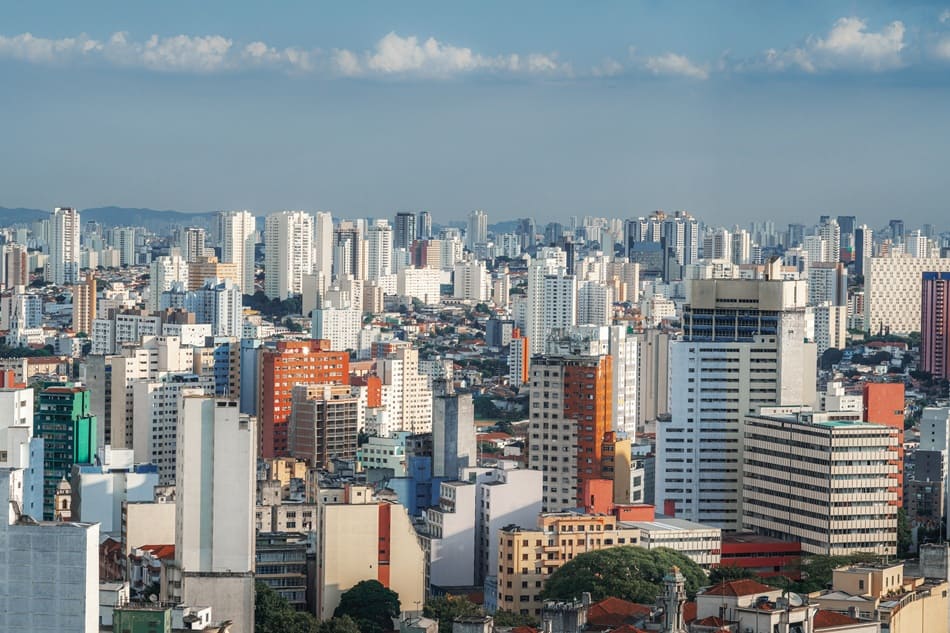
São Paulo stands as Brazil’s leading financial and business hub. In 2026, the city continues to attract international investors, entrepreneurs, and family offices, thanks to a resilient economy and a robust regulatory framework. As Brazil’s economic capital, São Paulo has implemented significant measures to promote transparency, encourage foreign investment, and strengthen compliance in line with evolving global standards. Understanding the regulatory environment is essential for investors seeking to maximize opportunities while managing risk.
Key Regulatory Bodies and Frameworks
São Paulo’s business environment is governed by a comprehensive set of regulations at the municipal, state, and federal levels. The regulatory framework covers company registration, taxation, labor, financial markets, and anti-money laundering (AML) compliance. For foreign investors, it is important to note that São Paulo aligns its standards with international best practices, ensuring credibility and investor protection.
- Corporate Law: The Brazilian Corporation Law regulates the formation, structure, and operations of corporations (Sociedades Anônimas) and limited liability companies (Limitadas). Foreign ownership is permitted in most sectors, with restrictions limited to specific strategic areas.
- Tax Compliance: Corporate income tax (IRPJ) is set at 15%, with an additional 10% surtax on annual profits exceeding BRL 240,000. Social Contribution on Net Profit (CSLL) is 9%. São Paulo businesses must comply with federal, state, and municipal tax obligations, including VAT (ICMS), municipal services tax (ISS), and payroll taxes.
- Labor Regulations: Labor laws ensure strict reporting and registration of employment contracts, social security contributions, and workplace standards. The eSocial platform has streamlined labor and tax filings, increasing transparency and compliance.
- Financial Markets: Investment funds, asset managers, and financial institutions must adhere to strict registration, reporting, and governance standards to operate in São Paulo. Recent years have seen the introduction of new rules for digital assets and crypto-related businesses, with mandatory registration for virtual asset service providers.
AML and KYC: Heightened Focus on Transparency
São Paulo’s commitment to anti-money laundering and combating the financing of terrorism (AML/CFT) is evident in its robust regulatory requirements. All financial institutions, investment funds, fintechs, and certain non-financial businesses must implement customer due diligence (KYC), continuous transaction monitoring, and suspicious activity reporting systems. In 2025, enhanced rules were introduced to align with international FATF recommendations, including:
- Mandatory identification and verification of beneficial owners for all legal entities
- Enhanced due diligence for politically exposed persons (PEPs) and cross-border clients
- Automated transaction monitoring and record retention for at least five years
- Immediate reporting of suspicious transactions to designated authorities
These requirements have significantly raised compliance standards, making São Paulo a safer environment for legitimate investment and business activity.
Reporting and Disclosure Requirements
International investors in São Paulo must adhere to rigorous financial reporting and disclosure rules. All corporations and investment vehicles are required to maintain accurate accounting records in accordance with Brazilian GAAP (BR GAAP), with listed entities following International Financial Reporting Standards (IFRS). Annual financial statements must be prepared, audited by certified professionals, and filed with the relevant authorities.
Additional reporting requirements include:
- Monthly and annual tax returns, including detailed breakdowns of revenues, expenses, and payroll
- Quarterly filings for investment funds and asset managers, detailing portfolio composition, risk exposures, and investor concentrations
- Foreign capital registration for inbound investments, including loans, equity contributions, and reinvestments, to ensure repatriation rights and compliance with exchange controls
Key Trends for International Investors in 2026
The investment climate in São Paulo is undergoing significant transformation. In 2025, investment banking revenue reached a five-year low, but private capital and venture investments surged, with one fund crossing the $50 million milestone. The state has earmarked over US$5.6 billion for infrastructure projects in 2026, opening opportunities in transport, logistics, energy, and urban development.
Further, Brazil’s new digital asset framework, effective from 2025, requires crypto businesses to comply with AML, KYC, and investor protection standards. ESG compliance is gaining traction, with heightened expectations for environmental, social, and governance disclosures among listed and private companies alike.
Strategic Considerations for Investors
- Conduct thorough due diligence on regulatory, tax, and compliance obligations before market entry
- Engage local advisors to ensure up-to-date compliance with evolving AML, KYC, and tax regulations
- Monitor ongoing reporting, disclosure, and capital registration deadlines to avoid penalties
- Leverage São Paulo’s evolving infrastructure and digital economy as growth drivers in 2026
São Paulo’s regulatory environment in 2026 is robust, transparent, and increasingly aligned with global best practices. For international investors, understanding the compliance landscape is not only a legal requirement, but also a strategic advantage in Brazil’s most dynamic market.
Damalion supports international investors, entrepreneurs, and family offices establishing and structuring their business in Brazil. Contact your Damalion experts now.