
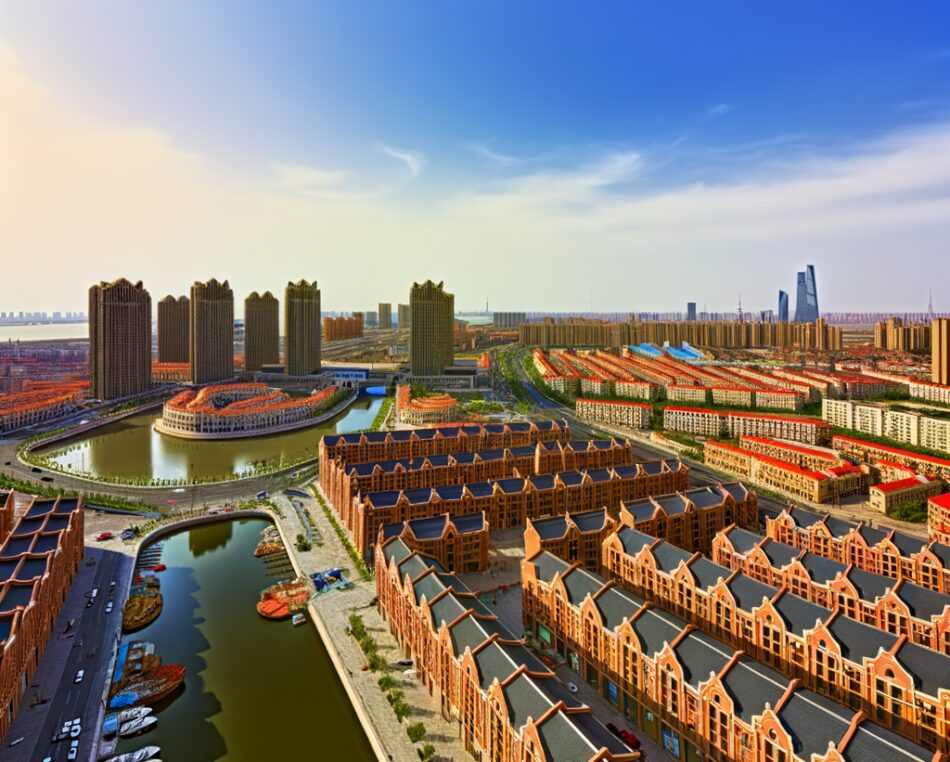
Gross domestic product in Tianjin, China, grew 6% in the first quarter of 2026, outpacing expectations and drawing renewed interest from foreign investors targeting sector-specific opportunities. This northern Chinese city is fast becoming a magnet for capital in fintech, mining, agriculture, energy, and tourism, as regulatory reforms and policy incentives align with national priorities. Investors are leveraging new openings in these fields, capitalizing on Tianjin’s status as a logistics gateway and innovation center within the country’s dual circulation strategy.
Fintech: Policy Tailwinds and Digital Currency Momentum
The fintech sector in Tianjin has seen accelerated growth since the launch of the ElectroYuan pilot program. The local government’s focus on digital finance infrastructure now enables foreign investors to participate in payment processing, cross-border remittance, and blockchain-based asset management. The city’s authorities have introduced expedited licensing for foreign-owned fintech firms. Registration timelines average just 18 days for digital payments companies, down from 45 days in early 2025. Investors who partner with Damalion benefit from full-cycle support, from entity selection to compliance with cybersecurity and data localization requirements mandated for China-based fintech operations.
Cross-border settlements using the ElectroYuan have increased by 34% year-on-year in Tianjin, reflecting the city’s unique position in China’s push for RMB internationalization. Foreign technology entrepreneurs also find it easier to pilot RegTech and InsurTech solutions here due to the city’s regulatory sandbox, which accepts applications from overseas founders. Damalion’s team navigates the regulatory sandbox entry process, including submission of technical documentation and ongoing compliance reporting, streamlining access for international fintech players.
Mining and Critical Raw Materials: Upstream Integration and Export Controls
Tianjin’s mining sector is experiencing robust activity as China prioritizes domestic sourcing of rare earths, lithium, and graphite for its manufacturing and energy transition. Mining firms in the city benefit from proximity to port and rail infrastructure, reducing transport costs for raw materials. Recent export controls on select minerals have redirected investment into local processing and refining plants. Foreign investors must structure joint ventures with majority Chinese ownership for upstream mining, but wholly foreign-owned enterprises (WFOEs) are permitted in mineral trading and downstream applications. Damalion facilitates the structuring of compliant joint ventures and manages the licensing process for mineral processing operations, ensuring alignment with Chinese regulatory requirements.
One actionable insight: this market’s industrial parks now offer property tax rebates for green mining technologies and environmental remediation projects. Companies deploying automated ore-sorting or water recycling systems receive rebates of up to 40% on facility-related taxes, a significant operational saving for sustainability-focused investors.
Agriculture: High-Tech Food Security and Urban Agriculture Initiatives
The country’s latest five-year plan emphasizes urban agriculture, and the local market responds with incentives for agri-tech investment. Controlled-environment greenhouses and vertical farming projects receive fast-track land use approvals. Foreign investors can hold up to 100% ownership in agri-tech companies, provided they adhere to biosafety and seed registration rules. The city’s agricultural output grew 8.1% in 2025, driven by smart irrigation and drone-based crop monitoring. Investors entering this sector can access subsidies covering up to 25% of capex for automation equipment, if registered before December 2026.
For those entering the food processing supply chain, the metropolitan area also offers reduced corporate income tax rates — as low as 15% for firms recognized as “high-tech agricultural enterprises.” Damalion’s local team coordinates business licensing and assists with subsidy applications, enabling foreign founders to maximize fiscal incentives and accelerate market entry.
Energy: Clean Power and Grid Innovation
Renewables and Grid Flexibility
China is accelerating its energy transition, and the region plays a central role as a logistics and innovation hub. Wind, solar, and battery storage capacity in the city expanded by 27% in 2025, driven by national targets for non-fossil fuel generation. The port area now hosts the country’s largest urban battery storage cluster, with 1.2 GW installed. Foreign investors can acquire equity stakes in grid management and energy storage firms — a sector previously restricted to domestic capital. Investors must comply with local procurement rules for grid equipment, but Damalion provides guidance on sourcing and contract negotiation to ensure compliance.
Hydrogen and Cross-Border Power Trading
Hydrogen projects receive special attention in the city, with the government approving three new electrolyzer plants set to come online in 2026. Investors in hydrogen production benefit from VAT refunds and a three-year corporate income tax holiday. The city also piloted a cross-border power trading mechanism in Q1 2026, enabling foreign-backed consortia to trade renewable energy credits with entities in the Beijing-this market-Hebei region. This cross-regional mechanism offers flexibility for family offices and funds aiming to diversify energy portfolios within China.
Tourism: High-Value Segments and New Visa Policies
Tourism in the local market rebounded sharply in 2025, with inbound visitor numbers surpassing 8.4 million — a 22% increase over the previous year. The city now targets high-value segments: medical tourism, heritage experiences, and cruise travel. Recent policy changes allow foreign investors to hold up to 100% equity in boutique hotel operations and cultural experience platforms. New visa-on-arrival arrangements for select countries streamline access for international tourists, boosting demand for luxury hospitality assets.
Investors entering the tourism sector can also access co-investment from the city’s cultural industry fund, which matches up to 30% of capital for projects exceeding RMB 50 million. Land lease terms for tourism infrastructure have been extended to 40 years, offering stability for long-term investors. Family offices can deploy capital into wellness resorts and heritage site restorations, both of which are eligible for property tax reductions if certified by the municipal culture bureau.
Practical Steps and Market Entry Considerations
Each sector in the metropolitan area presents unique regulatory and operational requirements. Foreign investors must evaluate restrictions on ownership, technology transfer obligations, and sector-specific licensing. The country maintains tight controls in strategic areas such as mining, but offers full foreign ownership in others, including fintech and tourism. Early engagement with local authorities is critical. Investors should also factor in shifting trade dynamics, such as China’s reduced exposure to US exports and the recent easing of investment curbs by India, which may affect cross-border flows.
Working with an experienced partner like Damalion ensures investors navigate these complexities efficiently. Damalion’s teams manage document preparation, coordinate with local regulators, and facilitate introductions to sector-specific partners. This hands-on support accelerates time-to-market, minimizes compliance risk, and helps investors capture the full scope of incentives available in the region and across China. For more details, see Sector-Specific Investment Opportunities in Shenzhen, China. For more details, see Investor Visa and Residency Options in Wuhan, China (2026 Guide). For more details, see How to Open a Corporate Bank Account in Suzhou, China (2026 Guide).
Looking Ahead: the city’s Sector Playbook for 2026
this market’s 6% GDP growth in early 2026 signals the city’s sustained momentum as China diversifies its industrial and service base. Fintech, mining, agriculture, energy, and tourism each offer unique entry points for international capital, underpinned by favorable local policies and the city’s strategic position in North China. Investors who align with sector-specific incentives, understand regulatory nuances, and leverage local expertise can unlock significant value in this market. As China’s policy landscape evolves, the local market remains a dynamic launchpad for global firms looking to scale and diversify in the world’s second-largest economy.
Damalion supports international investors, entrepreneurs, and family offices establishing and structuring their business in China. Contact your Damalion experts now.